
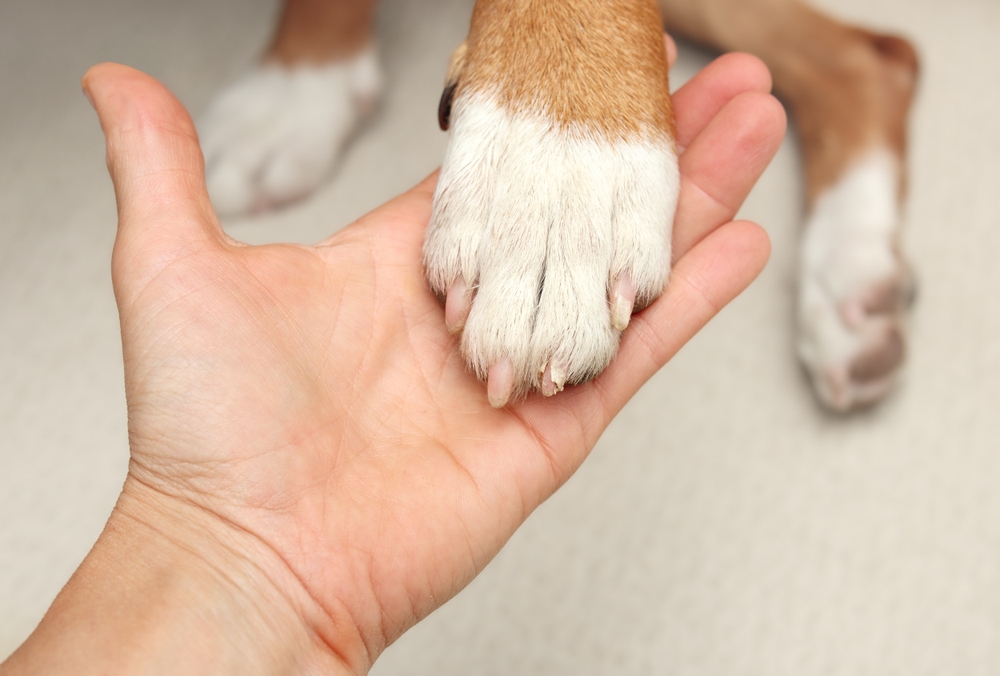
Paw Pad and Nail Care for Henderson Dogs Who Hike Red Rock, Lake Mead, and Local Trails
September 14, 2026 4:56 pm Leave your thoughtsDesert trails can be tough on a dog’s feet. For dogs in Henderson that regularly explore Red Rock Canyon, Lake Mead, the Amargosa Trail, or neighborhood trail systems, dry ground, loose rock, heat, and repeated mileage can leave paw pads rough and nails worn unevenly.
Routine paw checks and nail care can help owners catch small problems before the next hike becomes uncomfortable.
Quick answer: Dogs that hike around Southern Nevada should have their paw pads and nails checked before and after outings, especially after rocky or hot-weather walks. Look for cracks, tenderness, embedded debris, damaged nails, and excessive dryness.
Nails should stay short enough for comfortable movement without being trimmed into the quick. Paw fur should also be kept manageable so owners can see the pads and spot burrs, grit, or irritation.
What Henderson dog owners should know
Desert rock can wear nails naturally, but it may wear individual nails unevenly rather than replacing routine nail checks.
Red Rock Canyon trails range from smoother paths to rugged, rocky terrain that can place more stress on paw pads.
Lake Mead outings may combine rock, gravel, sand, and very hot exposed surfaces.
Dogs that use neighborhood trails around the Amargosa Trailhead or McCullough Range still need paw checks even when the outing feels less demanding.
Cracked pads, bleeding nails, limping, swelling, or persistent licking deserve more attention than routine grooming alone.
Why Paw and Nail Care Matters for Henderson Hiking Dogs
Paw and nail care matters locally because Henderson dogs regularly encounter a combination of dry desert conditions, abrasive terrain, exposed rock, and high surface temperatures.
A dog that spends weekends on Southern Nevada trails may put far more wear on its feet than a dog whose exercise is limited to grass and indoor surfaces.
Red Rock Canyon is a good example. The Bureau of Land Management warns visitors that summer temperatures regularly exceed 110°F and advises owners to bring water for their pets. The agency also notes that dogs are allowed on its trails, although not every trail is necessarily appropriate for every dog.
Lake Mead National Recreation Area presents similar considerations. The National Park Service warns that summer temperatures can exceed 100°F and specifically reminds visitors hiking with pets to carry extra water.
For local dogs, those conditions make foot care part of trail preparation rather than an occasional grooming concern.
The Soggy Dog serves dog owners in Henderson, and we encourage owners of active dogs to make paw and nail checks part of their normal grooming routine.
Local Data and Trail Conditions to Keep in Mind
Public-land guidance confirms that Southern Nevada heat is a serious consideration when dogs are hiking around Red Rock Canyon and Lake Mead.
At Red Rock Canyon, the Bureau of Land Management reports that summer temperatures regularly climb above 110°F. Lake Mead National Recreation Area similarly cautions visitors that temperatures can exceed 100°F.
Temperature is only part of the issue. Trails around the Las Vegas Valley can include sandstone, gravel, sharp-edged rock, compacted dirt, and exposed pavement near trailheads.
A dog may finish a hike looking energetic while still having small abrasions, a chipped nail, or tender paw pads. That is why a quick inspection after returning to Henderson can be useful even when the dog is not obviously limping.
How Trail Wear Affects Local Dogs
Trail wear can affect a dog’s comfort, gait, nail condition, and willingness to exercise if paw problems are allowed to build up.
Long nails can change how a dog places its feet, while nails that are repeatedly scraped against rock may become rough or split. Dry pads can develop surface cracking, and loose gravel can become lodged between the toes.
Dogs walking the Historic Railroad Trail near Lake Mead may experience different surfaces than dogs scrambling over rugged sections near Red Rock Canyon. Even routine outings around Hidden Falls Park, the Amargosa Trailhead, or Equestrian Park South can add mileage that owners should factor into nail-care schedules.
Warning Signs to Check After a Hike
The most useful warning signs are visible changes in the paw, nail, or the way your dog walks after an outing.
Watch for:
Limping or repeatedly lifting one paw.
Excessive licking or chewing at the feet.
A nail that is cracked, split, loose, or bleeding.
Paw pads that appear raw, blistered, deeply cracked, or unusually red.
Gravel, thorns, plant material, or other debris caught between the toes.
Swelling around a toe or nail.
Reluctance to walk on surfaces your dog normally handles comfortably.
Sudden sensitivity when you touch a paw.
Minor surface dirt can usually be cleaned away at home. Bleeding, significant pain, deep wounds, swelling, or continuing lameness should be evaluated by a veterinarian rather than treated as a grooming issue.
When Should You Call a Groomer or Veterinarian?
Routine nail length, rough nail edges, paw-area hair, and general foot cleanliness may fit within normal grooming, while wounds and signs of pain require veterinary attention.
A groomer can help owners maintain nails and keep the paw area easier to inspect. Owners can also perform simple checks at home after walks.
Veterinary care is more appropriate when a Henderson dog has a deep pad injury, persistent limping, significant bleeding, a badly damaged nail, swelling, suspected infection, or another condition that appears painful.
Grooming should support healthy maintenance, not substitute for medical treatment.
Common Causes of Paw and Nail Trouble on Local Trails
The most common local causes are abrasive terrain, heat, dry conditions, excess nail length, and repeated trail mileage.
1. Rocky surfaces
Red Rock Canyon and the McCullough Range can expose dogs to rough surfaces that create friction against pads and nail edges.
2. Hot ground
Exposed pavement, rock, and trail surfaces around Henderson and Lake Mead can become dangerously hot. Choosing cooler times of day does not eliminate the need to assess surface temperature before walking.
3. Dry desert conditions
Low humidity and repeated outdoor activity can leave some dogs with rough, dry paw pads.
4. Uneven nail wear
A hiking dog may naturally grind down some nails while leaving others comparatively long. Dewclaws receive especially little ground contact.
5. Debris between the toes
Small rocks, plant material, and trail debris can become trapped around the paw and cause irritation during or after a hike.
Paw and Nail Maintenance for Active Dogs
The best maintenance plan combines routine nail checks, post-hike paw inspections, sensible trail timing, and prompt attention to any injury.
Before leaving for a hike, look at each paw and check nail length. After the outing, inspect between the toes and around every nail. Remove loose dirt or harmless debris gently and look for new redness, cracking, or tenderness.
For summer outings around Henderson, avoid assuming that air temperature tells you whether a surface is comfortable for paws. Exposed surfaces can absorb substantial heat.
Dogs visiting Heritage Bark Park or neighborhood walking routes also benefit from regular checks. The City of Henderson maintains numerous parks and trail amenities, including locations such as Heritage Park, Hidden Falls Park, and Equestrian Park South.
What Results Can You Expect From Consistent Care?
Consistent paw and nail care should make it easier to identify developing problems and keep routine foot maintenance from becoming overdue.
Regular trimming can keep nails at a more manageable length, while frequent paw inspections help owners recognize changes from one hike to the next.
No grooming routine can make a dog’s paws immune to sharp rock, excessive heat, or injury. The goal is to maintain the feet between adventures and recognize when a trail-related problem needs veterinary attention.
Common Paw-Care Mistakes
The biggest mistakes are relying on trail wear alone, trimming without knowing where the quick is, and ignoring small changes after a hike.
Mistake: Assuming hiking automatically keeps every nail short.
Consequence: Some nails may remain long while others wear down.
Better approach: Inspect every nail individually, including dewclaws.
Mistake: Waiting for obvious limping before checking paws.
Consequence: Minor irritation can go unnoticed.
Better approach: Build a paw inspection into the post-hike routine.
Mistake: Cutting a dark or unfamiliar nail too aggressively.
Consequence: The quick can be cut and bleed.
Better approach: Trim conservatively or ask a professional for help.
Mistake: Treating a genuine injury as routine dryness.
Consequence: A condition needing veterinary care may be delayed.
Better approach: Seek veterinary guidance for pain, deep cracks, bleeding, swelling, or persistent limping.
A Common Local Scenario
A common Henderson scenario is a dog that hikes regularly but develops uneven nail wear after alternating between neighborhood walks and rocky weekend trails.
The front nails may look relatively short while dewclaws or certain outer nails remain longer. After a Red Rock or Lake Mead trip, the owner may also notice rougher pads or a small amount of trail debris between the toes.
The better approach is to examine all four paws individually rather than assuming the trail handled the dog’s nail maintenance.
Related Grooming Solutions
Routine grooming can support active dogs by keeping nails and paw areas easier for owners to monitor between trail outings.
Nail maintenance, paw-area tidying, bathing, and coat care may all be useful parts of an active dog’s grooming routine, depending on the dog’s coat, activity level, and individual needs.
DIY Paw Care vs. Professional Grooming
DIY checks are excellent for everyday monitoring, while professional grooming can help when nail trimming or paw-area maintenance is difficult to perform safely at home.
At home, owners can inspect feet, wipe away trail dust, watch for changes, and monitor nail length.
Professional grooming may be preferable for dogs that resist nail handling, have dark nails that are difficult for an owner to trim confidently, or need more thorough routine maintenance.
Neither option replaces veterinary care when an injury or medical problem is suspected.
Service Areas
Dog owners throughout Henderson and nearby Southern Nevada communities can benefit from building foot care around the terrain their dogs actually use.
Whether your routine includes Green Valley neighborhood walks, Anthem-area trails, Lake Mead outings, or weekend trips toward Red Rock Canyon, match nail and paw maintenance to your dog’s activity level rather than relying on a fixed schedule.
What Happens If Paw and Nail Problems Are Ignored?
Ignoring paw or nail problems can turn a manageable maintenance issue into discomfort that interferes with walking, hiking, and normal activity.
A rough nail can continue splitting, an embedded object can irritate the paw, and an injured pad may become more painful with repeated trail use.
Checking your dog’s feet after outings takes only a short time and gives you a chance to adjust the next hike or seek appropriate care before adding more mileage.
Frequently Asked Questions
How often should a hiking dog in Henderson have its nails checked?
Hiking dogs should have their nails checked frequently rather than relying on a single universal trimming schedule. Rocky trails may wear some nails faster than others, and dewclaws may receive almost no natural wear. Look over every nail after regular outings and arrange trimming when length or sharp edges become difficult to manage.
Can Red Rock Canyon trails wear down my dog’s nails naturally?
Yes, rocky Red Rock Canyon surfaces can create natural nail wear, but that wear may not be even. One nail may become quite short while another remains long or develops a rough edge. Check each nail individually after hikes instead of assuming trail mileage has replaced routine nail maintenance.
Is Lake Mead terrain hard on dog paws?
Lake Mead terrain can be demanding because dogs may encounter gravel, rock, sand, and exposed surfaces during the same outing. The National Park Service also warns visitors that summer temperatures can exceed 100°F, so owners should consider both abrasion and heat when planning hikes with their dogs.
Should I moisturize my dog’s dry paw pads?
Do not automatically apply human lotions or unfamiliar products to a dog’s paws. Mild dryness may simply need monitoring, but deep cracks, pain, bleeding, or repeated irritation deserve professional guidance. Ask your veterinarian about appropriate paw products if your Henderson hiking dog regularly develops dry or uncomfortable pads.
What should I check after hiking the Amargosa Trail?
Check all four paws, the spaces between the toes, every nail, and the dewclaws after an Amargosa Trail outing. Look for trapped debris, cracked nails, redness, tenderness, or unusual licking. This same quick inspection is useful after neighborhood trails and longer outings throughout the Henderson trail system.
Can I take my dog hiking at Red Rock Canyon?
Yes, dogs are permitted on Red Rock Canyon trails, although owners must follow the area’s pet rules and choose trails appropriate for their dogs. The Bureau of Land Management requires pets to be leashed and cautions that extreme summer heat can be dangerous for pets.
Are dogs allowed on trails at Lake Mead?
Dogs are welcome on hiking trails and in many other areas of Lake Mead National Recreation Area, subject to National Park Service pet rules. The park requires leashes of six feet or shorter and encourages owners to carry extra water while exploring the desert landscape with their pets.
When is a paw problem more than a grooming issue?
A paw problem becomes a veterinary concern when a dog shows significant pain, persistent limping, swelling, substantial bleeding, a deep wound, or a severely damaged nail. Routine grooming can support maintenance, but Henderson owners should contact a veterinarian when symptoms suggest an injury or medical condition rather than simple nail or paw upkeep.
Help Keep Your Henderson Trail Dog Ready for the Next Adventure
Active dogs need grooming routines that reflect where they walk. From local neighborhood trails to Lake Mead and Red Rock Canyon, regular paw inspections and sensible nail maintenance can help owners spot trouble before the next adventure.
Keep Those Trail-Ready Paws in Good Shape
We can help make routine grooming easier for dogs that stay active throughout Southern Nevada.
Categorised in: Dog Nail Trimming
This post was written by admin